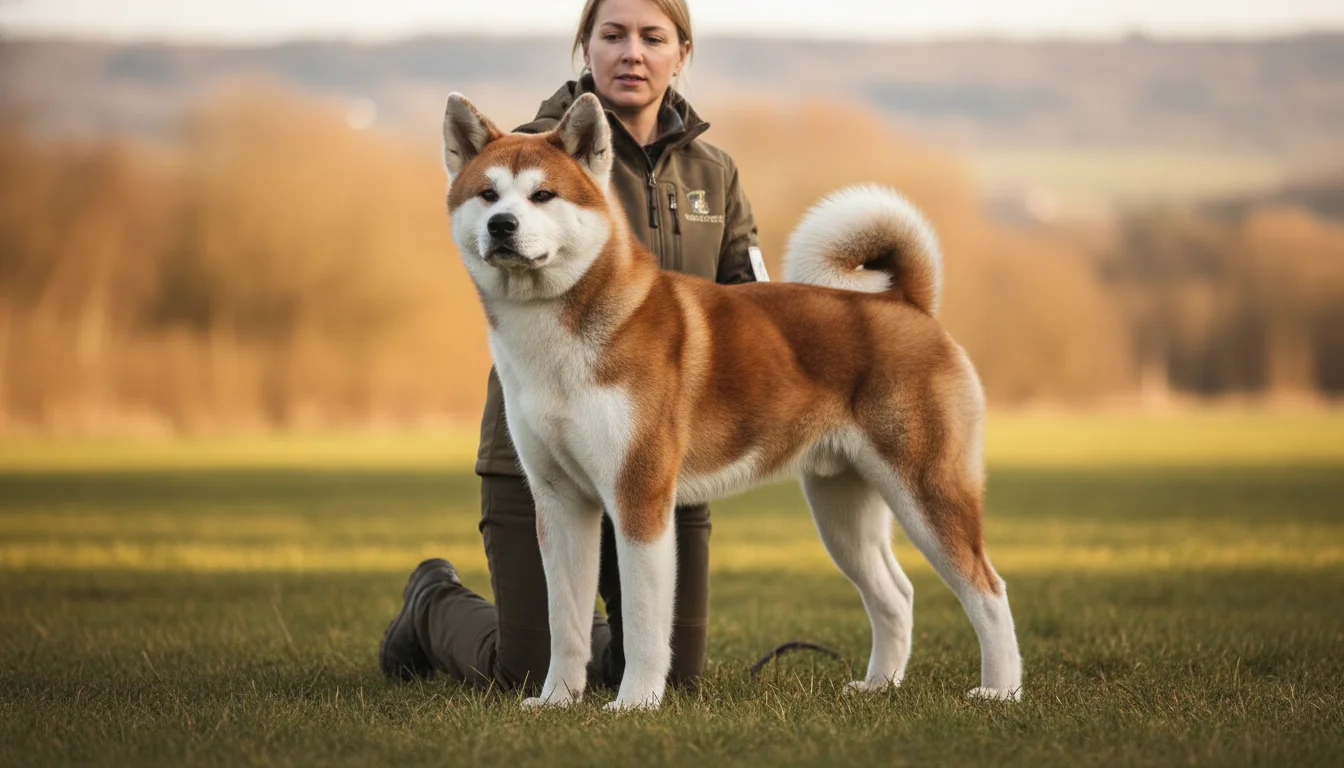
Akita training is for experienced dog owners only. Akitas are powerful, independent, and dominant — they were bred as bear hunters and family guardians in Japan. They form intense bonds with their families but can be aloof or aggressive with strangers and other dogs without proper socialization. This is not a casual pet.
The Training Program Akita Owners Use
Step-by-step program designed for breed-specific challenges. Used by 50,000+ dog owners.
Akitas were bred to make decisions alone — facing bears, guarding property, hunting solo. They don't have the genetic motivation to please humans that retrievers or shepherds do. They'll comply if it benefits them and ignore commands that don't. Training requires building genuine engagement and respect, not relying on biddability.
Socialization Is Critical
An under-socialized Akita can become aggressive toward other dogs and reactive to strangers. The 8–16 week window is non-negotiable: dozens of positive exposures to friendly dogs, varied people, and different environments. Same-sex dog aggression is breed-common in adult Akitas — start prevention work early.
Gentle Methods Only
Harsh corrections backfire badly with Akitas — they may comply temporarily but the relationship suffers and reactivity increases. Use positive reinforcement with high-value food rewards. A trainer experienced with primitive Asian breeds is strongly recommended from puppyhood.
Akita Training Strengths
Dignified, loyal, devoted to family
Highly intelligent in problem-solving
Excellent guardian and watchdog
Akita Training Challenges
NOT for first-time owners
Same-sex dog aggression is breed-common
Independent — low compliance motivation
16-Week Akita Training Checklist
Track your Akita's progress through the foundational commands. Check each one as your dog reliably performs it in low-distraction environments.
Get the Complete Akita Training System
Breed-specific training program with day-by-day instructions, video demos, and lifetime access.
Yes — among the harder breeds for inexperienced owners. They're intelligent but independent and don't naturally seek to please. Experienced handlers with patience and consistency get well-trained Akitas; first-time owners often struggle.
Are Akitas good for first-time owners?
No. Their size, drive, and dog-aggression risk amplify training mistakes seriously. The breed is best suited to experienced owners committed to extensive socialization and professional training.
When should I start training my Akita puppy?
8 weeks, with professional guidance from the start. Crate training, name recognition, sit, and most importantly socialization start day one. Enroll in puppy classes immediately with a trainer experienced with primitive breeds.
How do you stop an Akita from being aggressive with other dogs?
Prevention via early socialization is far more effective than treatment. Same-sex aggression in adult Akitas is breed-typical and often not fully resolvable. Many adult Akitas are best in single-dog homes.
Disclosure: We earn affiliate commissions when readers buy through some links on this site, at no extra cost to you. Our editorial recommendations are independent.